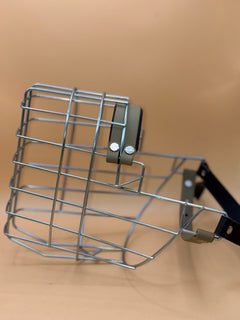
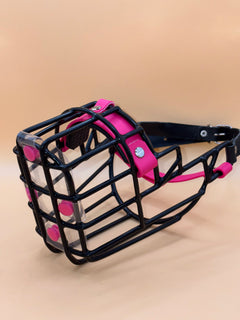
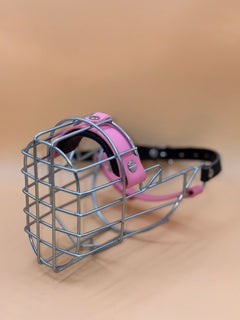


Muzzle training – How to get your dog used to a muzzle in 14 days
Share
Why EVERY dog should be familiar with a muzzle
"My dog isn't a biter at all – why should they wear a muzzle?"
We hear this question often. The answer is simple: Emergencies happen unexpectedly.
Imagine:
- Your dog gets injured and needs to go to the vet
- You suddenly have to travel by train
- A situation escalates suddenly during an encounter
- Poisoned bait is reported in your area
In such moments, it's invaluable if your dog is already positively familiar with the muzzle.
Training is Individual
Depending on the dog's type and prior experience, muzzles can sometimes be put on without a fuss. However, if you are unsure or your dog shows signs of unease, it's always advisable to positively train them to wear a muzzle.
The Golden Rule: Positive Association
Your dog must never experience the muzzle as punishment. Instead, they should learn:
"Muzzle = Something great is happening!"
Phase 1: Getting Acquainted (Days 1-3)
Step 1: Arouse Curiosity
Simply place the muzzle near your dog. Let them sniff it. No expectations, no pressure.
Step 2: First Positive Association
Introduce something tasty:
- Smear liverwurst on the front bars
- Give treats through the grate
- Your dog pokes their nose in briefly = Reward!
Important: Only for a few seconds, then stop. We want the dog to want more.
Duration: 2-3 days, 5-10 minutes of training each time
Signs of Success:
Your dog gets excited when the muzzle appears. Some dogs will spontaneously poke their nose in and look expectantly, "Is it time?"
Phase 2: First Wearing Time (Days 4-7)
Step 3: Briefly Put On
Now it's getting serious – but only for a short time!
Here's how:
- Lure the dog with a treat through the front opening
- Put the muzzle on
- Immediately push treats through the bars
- After 3-5 seconds: Take off the muzzle, praise!
Step 4: Extend Time
Gradually increase the wearing time.
Throughout this time: Always keep rewarding!
Phase 3: Movement with Muzzle (Days 8-14)
Step 4: First Steps
Your dog wears the muzzle relaxed for 1-2 minutes? Perfect! Now, let's add movement.
Training:
- Put on and close the muzzle
- Lure forward with treats and a friendly voice
- Only 2-3 steps at first
- Lots of praise!
- Remove the muzzle
Step 5: Increase Distance
Important: Initially, your dog might shake their head or seem confused. This is normal! Be patient and distract them with your voice and treats.
What to Do if They Protest?
If your dog tries to take off the muzzle:
- Distract them by picking up the pace or giving a command
- Reward them as soon as they stop
Our Practical Experience
Lana (female dog 1): Was comfortable wearing the muzzle outdoors after 14 days. No more protest.
Maila (female dog 2): Took a little longer. Even after the active training period, there were still moments when she tried to take off the muzzle. However, with consistent distraction, this quickly subsided. Today – after 6 years of daily wear – she behaves like an absolute pro.
The Most Important Success Factors
✅ Patience: Every dog needs their own pace
✅ Positive Association: Muzzle = Reward
✅ Short Sessions: Better frequent and short than rare and long
✅ Consistency: Practice daily
✅ Correct Fit: A poorly fitting muzzle makes training harder
Frequently Asked Questions
"My dog isn't getting along with the training. What am I doing wrong?"
Most of the time, it's due to one of three factors:
- The muzzle doesn't fit properly (pinches, is too tight)
- The training is progressing too quickly
- The reward is not high-value enough
"How often should my dog wear the muzzle if they don't need it?"
At least once a week for 10-15 minutes, during the initial phase.
"My dog needs a muzzle IMMEDIATELY. Can I shorten the training?"
In real emergencies (acute biting risk), the muzzle must be used immediately – but then under the professional guidance of a dog trainer.
Do You Need Support?
Every dog is different. Some learn in a few days, others need weeks. That's completely normal!
We are happy to help you:
- Advice on training methods
- Tips for training difficulties
- Recommendations for the right muzzle
In the next article, we will show you how to correctly adjust the muzzle so your dog has maximum comfort and you have maximum safety.